

What Age Should My Child Start Swim Lessons?
By Summit Aquatics Team|Published September 22, 2026|3 min read
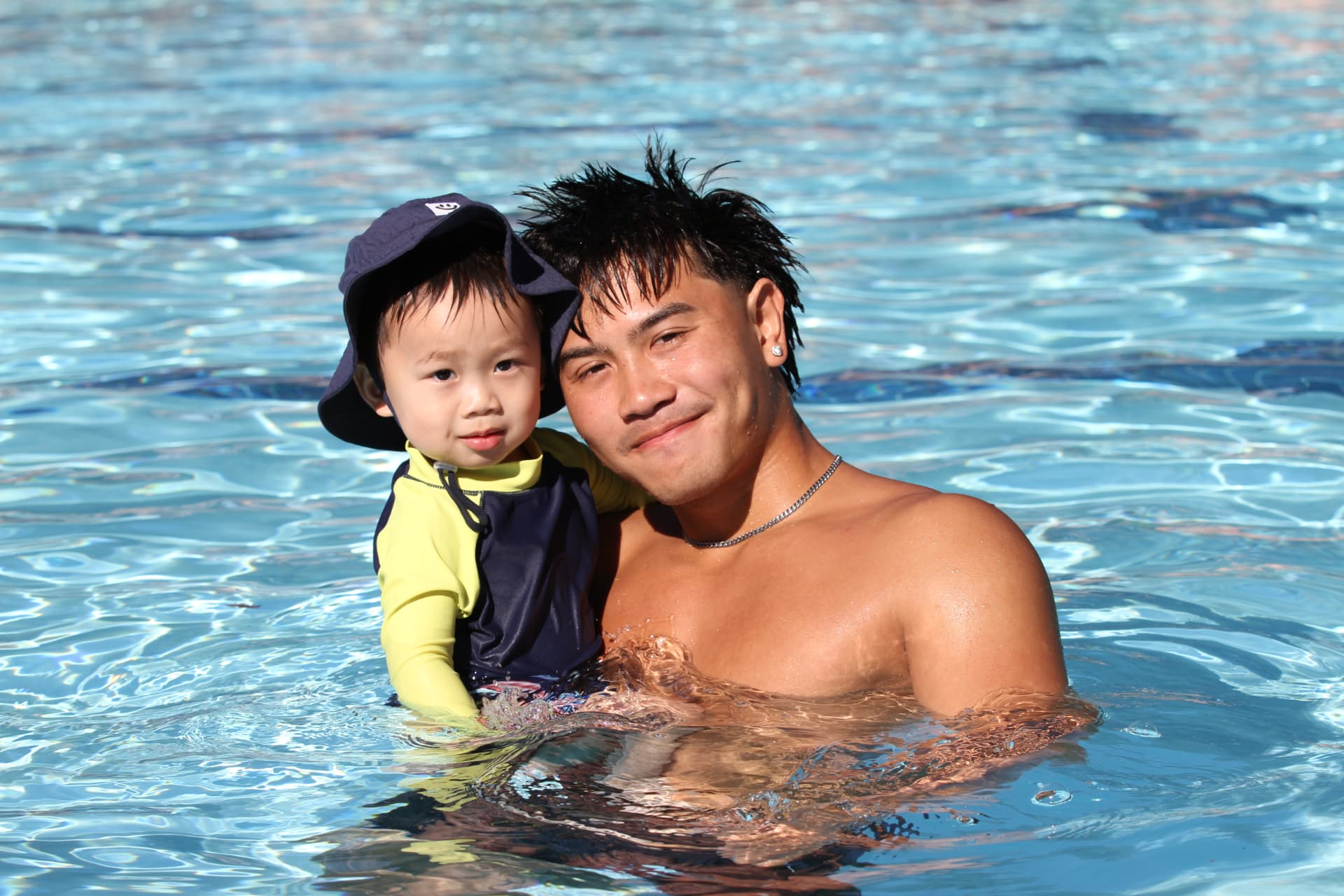
Parents often ask whether there is a "perfect" age to begin swim lessons. The better question is whether your child is developmentally ready and regularly exposed to water.
The American Academy of Pediatrics recommends swimming lessons after a child's first birthday, while emphasizing that the decision should consider the child's emotional maturity, physical and cognitive abilities, health concerns, and exposure to water.
For San Diego families, water exposure can happen year-round. Backyard pools, community pools, beaches, vacations, and neighborhood gatherings make early water familiarity especially valuable.
What Can Young Swimmers Learn?
For toddlers and preschool-age swimmers, lessons are not simply about learning freestyle.
Early instruction can work on:
- Comfortable water entry
- Putting the face in the water
- Breath control and bubbles
- Submersion
- Floating
- Rolling onto the back
- Returning to the wall
- Climbing out
- Kicking
- Basic independent movement
At Summit Aquatics, younger swimmers progress based on readiness rather than being forced through skills before they are comfortable.
What About Babies Under One?
Aquatic experiences for infants can provide positive parent-child water exposure, but parents should not view infant programs as making a baby "drown-proof."
Current American Academy of Pediatrics guidance distinguishes infant aquatic experiences from swimming and survival competency.
Water safety requires multiple layers of protection regardless of a child's age or swimming ability.
Why Starting Earlier Can Help With Comfort
Children who become comfortable around water may have an easier time learning foundational skills later.
A child who is already comfortable:
- Getting splashed
- Putting their face underwater
- Blowing bubbles
- Floating with assistance
can often spend more lesson time developing actual swimming skills rather than first overcoming unfamiliarity with the water.
However, every child progresses differently. If you are trying to picture how long that takes, our guide on how many swim lessons a child needs explains why the answer depends on the swimmer.
What Should Parents Look for in Swim Lessons?
Look for instruction that develops more than simply moving forward in the water.
Important skills include:
- Floating
- Resurfacing
- Turning around
- Returning to the wall
- Exiting the pool
- Treading water as developmentally appropriate
- Independent swimming
- Water-safety awareness
The goal should be increasing overall water competency.
Swim Lessons Do Not Replace Supervision
This is extremely important.
A child who takes swim lessons still requires close, attentive adult supervision around water.
The CDC and American Academy of Pediatrics both emphasize that swim skills are one layer of drowning prevention, not a replacement for supervision, pool barriers, life jackets where appropriate, and caregiver preparedness.
Starting Swim Lessons in San Diego
For families with frequent access to pools, beginning age-appropriate instruction can help children build comfort and skills over time.
Summit Aquatics provides private instruction at home, community, and other approved pools throughout San Diego County.
Sources & Further Reading
Related articles
How Many Swim Lessons Does a Child Need to Learn to Swim?
There is no responsible universal number. Here is how instructors actually think about progress, milestones, and consistency.
Parent ResourcesPrivate vs. Group Swim Lessons: Which Is Right for Your Child?
Both formats can teach a child to swim. The right one depends on your swimmer, your schedule, and the environment they learn best in.