

How Many Swim Lessons Does a Child Need to Learn to Swim?
By Summit Aquatics Team|Published September 22, 2026|3 min read
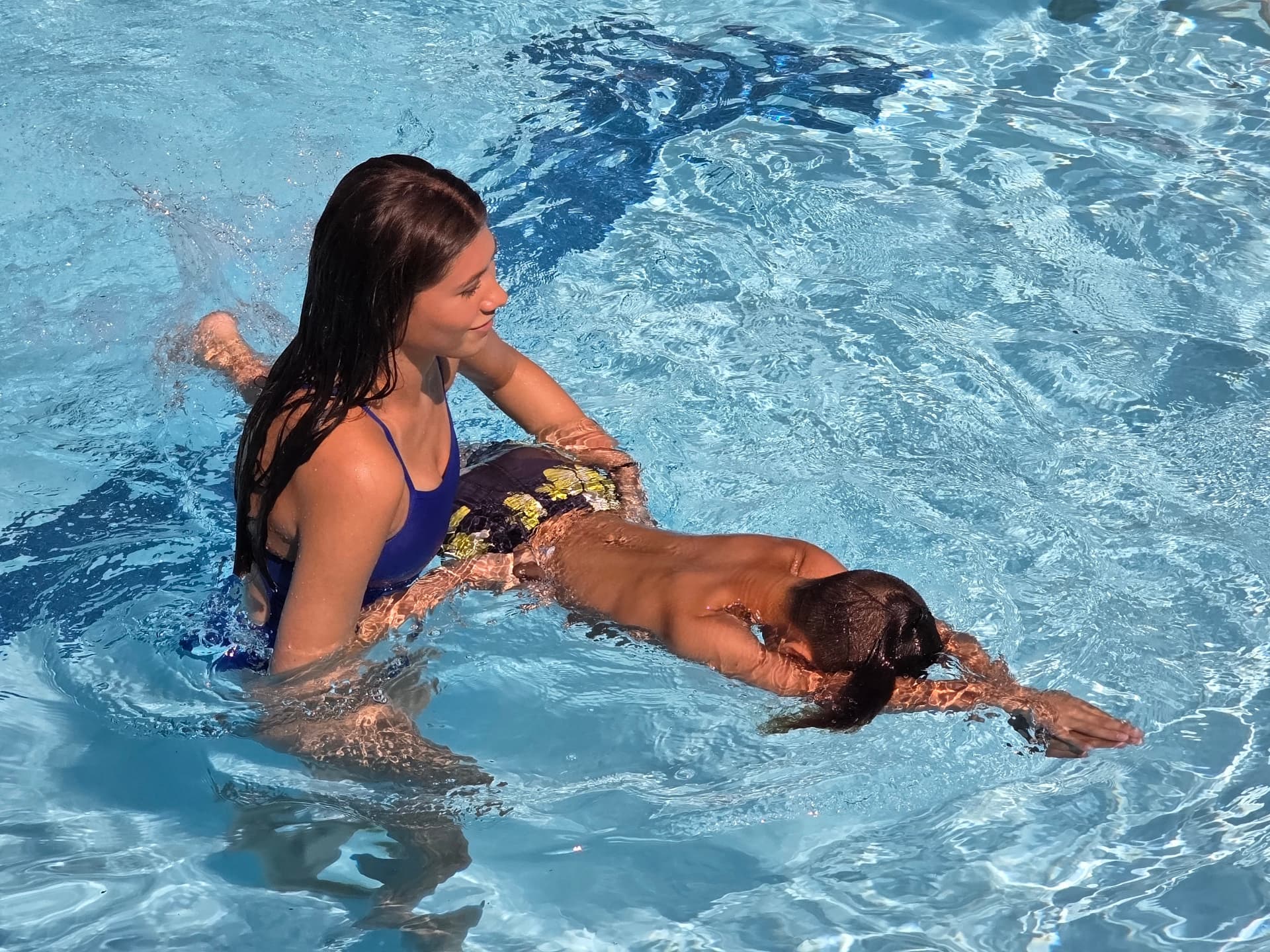
One of the most common questions parents ask Summit Aquatics is: "How many lessons will my child need?"
There is no responsible universal number.
Learning to swim is a progression of individual skills, and children develop those skills at different rates. Age, confidence, previous experience, lesson consistency, physical development, fear of water, and opportunities to practice can all affect progress.
Learning to Swim Is Not One Skill
A child who can move several feet through the water has started swimming, but that does not necessarily mean the child has developed broad water competency.
Important milestones can include:
- Submerging comfortably
- Breath control
- Front floating
- Back floating
- Rolling to breathe
- Resurfacing
- Returning to a wall
- Climbing out
- Treading water
- Swimming independently
- Developing efficient strokes
That is why Summit tracks progress by skills and milestones rather than simply counting lessons.
Why Some Children Progress Faster Than Others
A confident six-year-old with previous pool experience may progress very differently from a three-year-old who is nervous about putting their face underwater. If you are still deciding when to begin, see what age a child should start swim lessons.
Factors include:
Age and development
Motor coordination develops as children grow.
Water comfort
Fear or hesitation may need to be addressed before more advanced skills.
Consistency
Regular lessons provide repeated opportunities to reinforce skills.
Practice
Safe practice between lessons can reinforce what an instructor teaches.
Individual learning style
Some swimmers respond quickly to demonstrations. Others need more repetition and reassurance.
Why Consistency Matters
Swimming is a physical skill. Like learning to ride a bike or play a sport, repetition helps develop coordination, comfort, and muscle memory.
Long gaps between lessons can make it harder for some beginners to maintain momentum. This is why Summit offers lesson packages rather than treating learning to swim as a one-session service. Families who want concentrated repetition sometimes choose Intensive Swim Week, a short run of consecutive sessions.
What Does "Learning to Swim" Actually Mean?
Parents should think in terms of milestones rather than one finish line.
For a beginner, success might initially mean putting their face underwater comfortably. Then floating independently. Then jumping in and returning to the wall. Then swimming 10 feet. Then swimming 25 feet or yards.
Older swimmers may continue into freestyle, backstroke, breaststroke, butterfly, diving, and endurance.
Why Summit Tracks Skills
Summit Aquatics uses a swimmer progress roadmap so families can see what their child has achieved and what instructors are currently working on.
That creates a clearer answer than "your child has taken six lessons." Parents can instead see what has been mastered, what is developing, and what comes next. Our SwimSure™ learn-to-swim guarantee is built around that same milestone-based approach.
How Do You Know When Your Child Needs More Lessons?
Continue instruction when your swimmer still needs support with important water skills or when you want to continue developing stroke technique and endurance.
Current American Academy of Pediatrics guidance emphasizes that achieving swimming and survival competency takes multiple lessons and that refresher instruction may sometimes be useful.
Sources & Further Reading
Related articles
What Age Should My Child Start Swim Lessons?
There is no single perfect starting age. What matters more is readiness, comfort in the water, and how often your family is around a pool.
Parent ResourcesPrivate vs. Group Swim Lessons: Which Is Right for Your Child?
Both formats can teach a child to swim. The right one depends on your swimmer, your schedule, and the environment they learn best in.